What to Change After Menopause with Your Workouts with Debra Atkinson
When we were 20 we really didn’t consider what happens later in life in this time and place we now call menopause…simply because nobody talked about it! I remember thinking that nothing would change during perimenopause and menopause as long as you “stuck to your plan”. Jokes on me! I totally believed that until I started working through it myself. And let me tell you…you don’t really know what it’s like until you’re walkin’ through it. BUT, the more we talk about it, the easier it becomes for all. Menopause has absolutely nothing to do with how “fit” and “healthy” you are. It’s biology and it’s what happens.
But thank goodness we are alive right now. There’s never been a time to be midlife than RIGHT NOW.
“For your age…”
Women are really doing themselves a disservice by tacking “for my age” or “for your age” onto things. Saying “I look good…for my age!” But what is that even supposed to mean?! Yes, we have an IDEA of what certain ages “look like” but it’s ALL based off what we know about that age and others we have seen at that age. But it doesn’t mean it HAS to be that way for everyone.
We are living in a time where we CAN change the landscape for what the next 10, 20, and 30+ years looks like for us. Yes, we have control…but we don’t have a model. So what do we do? We observe what has happened in the past and fail to realize that we are going to age very differently than other generations if we decide NO it’s going to stop here!
What do we need to change about working out in midlife?
- We need intensity more now than we ever have, but we don’t need more of it. We don’t need more duration and more days per week and more reps, but we do need more intensity and to make it count. I like to think of “intensity” as doing what is challenging…for you. As long as it’s safe for you, we need to:
- Lift heavier (and until failure)
- Get breathless regularly (HIIT)
- Work on bone density, muscle, and brain
If we DON’T execute our workouts with intensity in midlife, we are compensating for what happens during aging. We are losing the ability to produce energy and hurting our mitochondria. From science, we know that 70 years olds can recreate the same amount of mitochondria as 20 year olds can IF they train well.
2. We need to prioritize strength training. And NO this doesn’t mean become a body builder. We don’t have as many hormones as it takes to build muscle easily in midlife, so we have to work for it.
3. Base building. The power of walking and having a base of movement every day makes a really big difference. If you don’t move it, you lose it and the more you move, the better off you are going to be!
This and so much more on this podcast!
About Debra Atkinson
Debra Atkinson is an American life coach and fitness expert, transformational speaker, author and web television host. She is the owner of Voice for Fitness, Flipping 50, and Flipping 50 TV.
Debra Atkinson has over three decades experience as a successful fitness entrepreneur, university lecturer in kinesiology, and international fitness presenter. Her mission is to raise the quality of service in the fitness industry and raise your expectations for aging so you can reach your greatest potential at every stage of life. She presents to leading fitness industry associations including IDEA, NSCA, Can-Fit-Pro, ICAA and Athletic Business and contributes to many of their periodicals. She is a frequent contributor for Huffington Post, ShareCare, Prime Women, LivingBetter50, and Easy Health Options and others.
She’s been consulted for articles in USA Today and Prevention Magazine regarding women’s health through the exercise-hormone connection. She is the creator of the web-based Flipping 50 TV show, the Flipping 50 podcast and leads dynamic workshops and coaches private clients live and online teaching women how to love the body they live in and build confidence for every aspect of life with a flipping fit foundation. “No matter what the question is, the answer is exercise.”
In this episode, you will learn:
- Why you need to make exercise a joy to do
- How 50 doesn’t mean you can’t be fit
- How to get in shape after 50
- What exercises you should be doing in midlife
The post What to Change After Menopause with Your Workouts with Debra Atkinson appeared first on Natalie Jill Fitness.
from Natalie Jill Fitness https://ift.tt/ekDiybN
via IFTTT

 What Should You Look For in a Lubricant?
 Tracy believes that optimal health is a fundamental right for all humanity, not just a privilege for a select few.
 We never know what someone else is going through or walking through. So before judging, snapping at, attacking, or being mad at them know they may be navigating something very consuming.
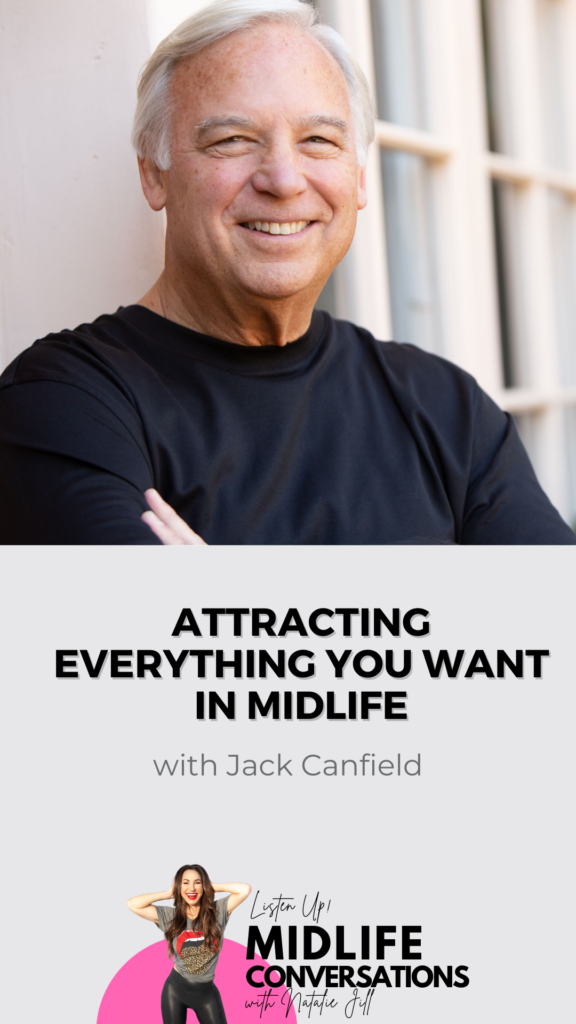 This week Natalie Jill sits down with the author of Chicken Soup for Your Soul and major contributor to The Secret, Jack Canfield and they discuss how you can tap into the Law of Attraction at any age, to quickly design the life of your dreams.
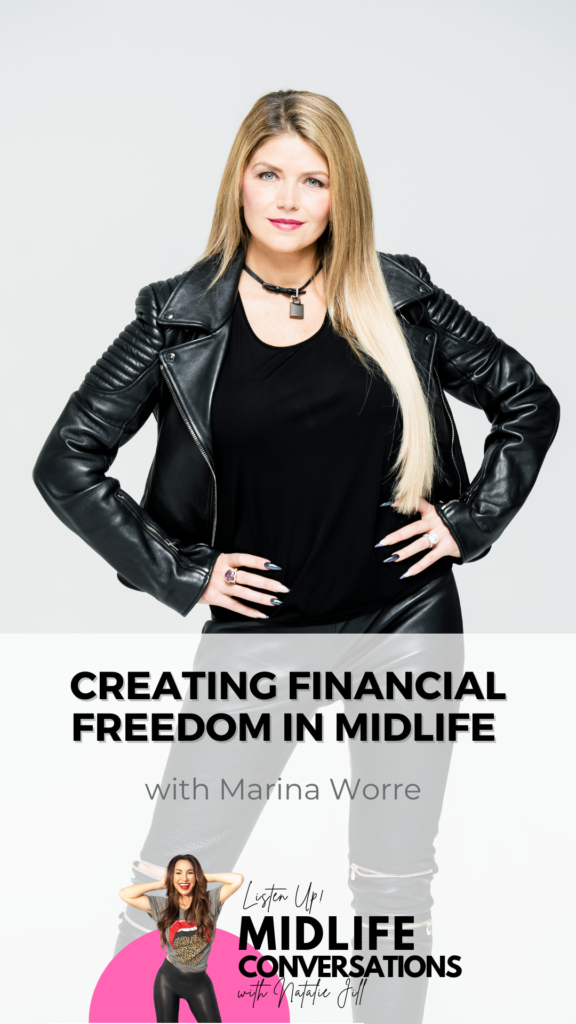 Marina Worre – Co-Founder & CEO of Network MarketingPro, Inc.; Creator of The MostPowerful Women in Network Marketing Event; Founder& CEO of Worre Studios. When people think of the most powerful women in NetworkMarketing, one of the names at the top of almost every list is Marina Worre.
 I do bioidenticals — NOT HRT — and adding the lowest dose made a HUGE difference for me!
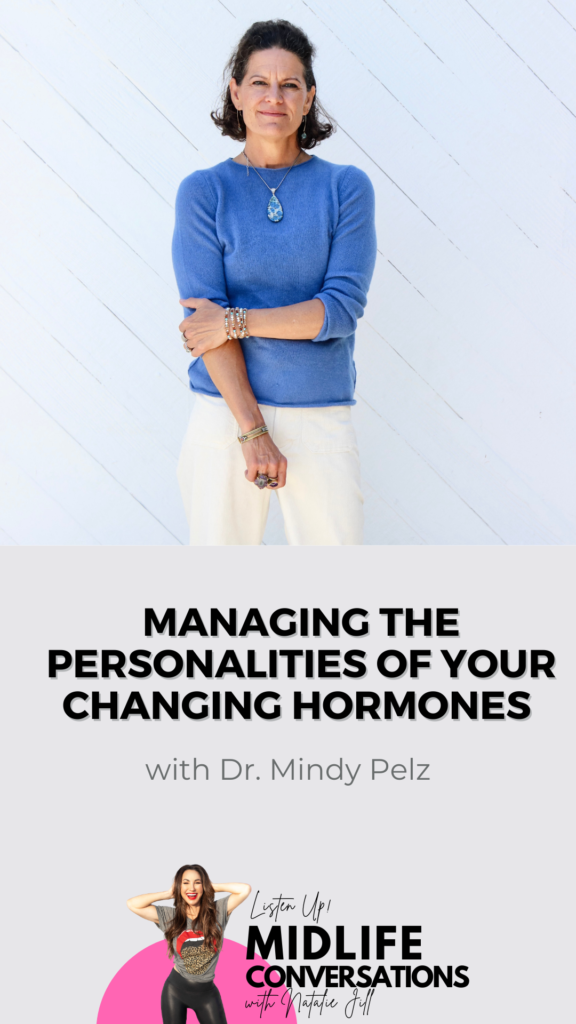 Let’s get into those perimenopause personalities a bit more.
 progesterone needs the glucose in order to do her job (before your cycle).
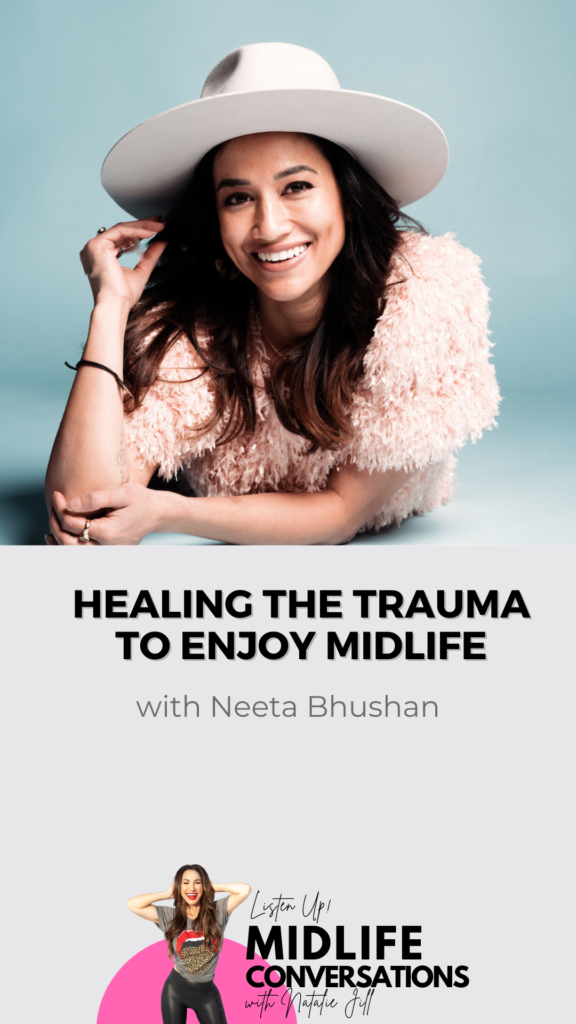 There are SO many things happening in our brain in midlife — and we seem to gravitate toward our “circumstances”. There are so many things hitting us all at once — from what is going on in our bodies to the hormone shifts to appearance changing and sometimes even midlife crisis stuff like marriage changes, career changes, etc. So how do you find Magic in the Mess? How can you work through your past trauma’s in order to enjoy life now…while you’re in Mid-Life and Beyond? Natalie Jill sat down with emotional health expert Dr. Neeta Bhushan to discuss this and so much more.
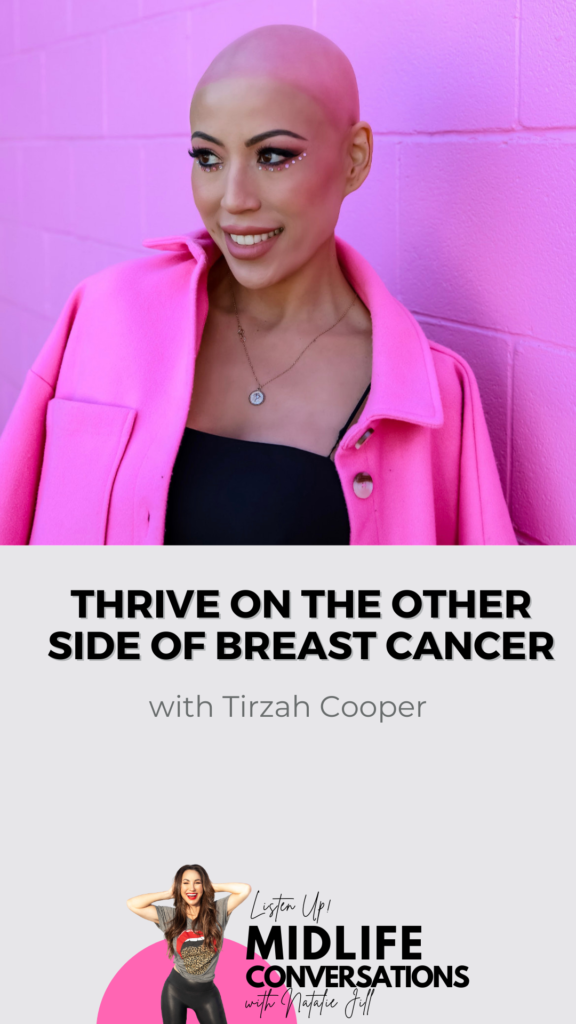 Regardless of how big or small your chest is, natural or implants — you have breast tissue. And if you have breast tissue, technically you are susceptible to breast cancer. It’s common practice to get a mammogram, but often times, mammograms can miss a cancer diagnosis. So if you HAVE a lump or feel something is suspicious or abnormal, get an ULTRASOUND! If you have anything that is rapidly growing, or that hurts, it is worth getting it checked! AND, even if you hear once that it’s nothing to worry about, like Tirzah heard a few times, it is worth advocating for yourself (because being safe is better than being sorry) and it might also be worth getting a second opinion!
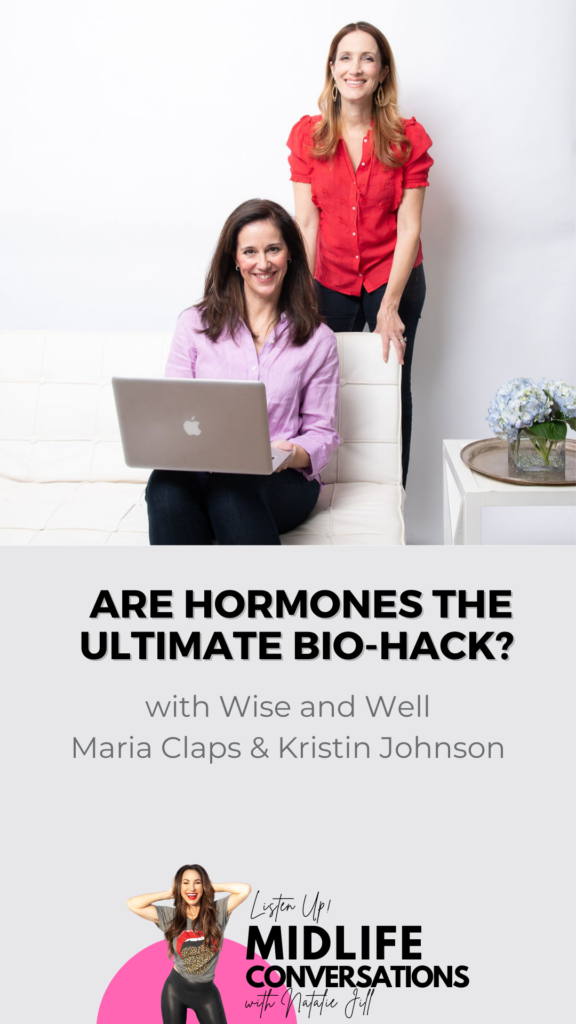 The problem with synthetic hormones is that they don’t work the way we need them to within our bodies, unlike the bioidenticals. It’s really important that women understand which hormones they are being put on. We have 3 different receptors in the body and only estradiol provides a balanced action.

 If you are living according to values you chose at the ages of 10-21 and haven’t reevaluated them since you’re in your 40s and 50s, you will be living inconsistently to what you value now and can have a midlife identity crisis! An identity crisis can happen at any age, but it is particularly prevalent in midlife. It feels like the life we are currently living has a misfit, and it’s hard to pinpoint which part of your life has been impacted and doesnt feel like you anymore. What triggers this identity crisis is a “profound loss”. A profound loss can be a range of things — a death, a relationship breakdown, or something more subtle like something you’ve dedicated time, love, energy, and attention to, but is now no longer part of your identity (for example: losing interest in your work, or loss of status, or loss of a role, even loss of looks, or losing your libido, etc.) A midlife crisis is a crisis of identity — and research suggests that 1 in 10 midlifers experience it.
 Join me in LEVELING UP on FASTer Way to Fat Loss
 Wendy first created Goodbye Crop Top in response to a profound lack of women her age across the media landscape. 49 years old at the time, she noticed it was a rare thing to see women over 40 portrayed in a positive way in print, on television or across social media platforms. Even worse than stereotypical representation, it seemed to her that women over 50—and even women over 40—were largely erased out there and made irrelevant. She feels so great about getting older, that she felt insulted when she didn’t see the full dimensions of her experience reflected.
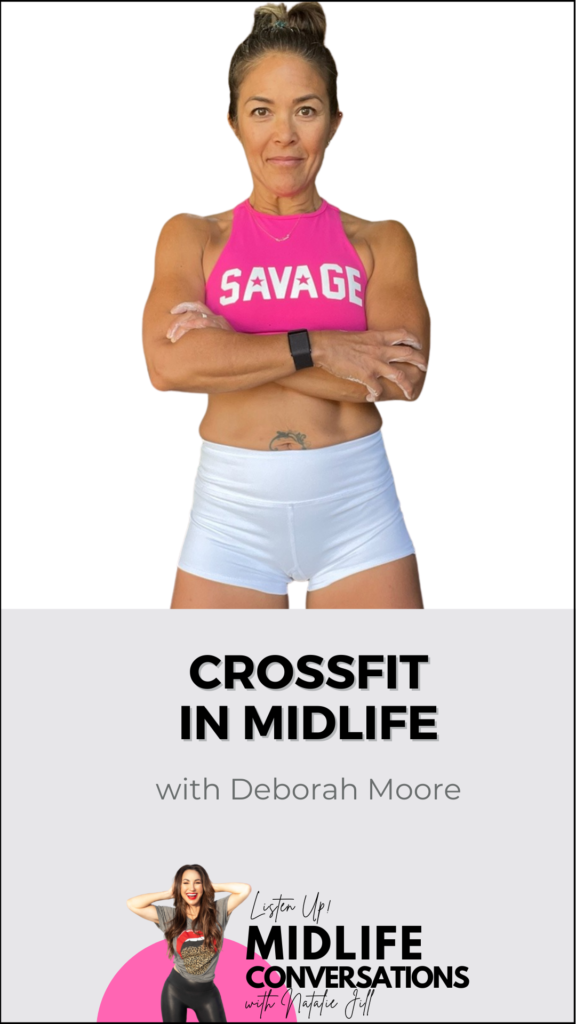 Everyone has a different menopause experience, even if menopause has common denominators. I LOVED Deborah’s mantra/advice to people: Don’t settle! Don’t settle for whatever is handed to you by hormones, or by injuries even, or by life events. Because tif you settle, you give up, and you start sliding backwards. Choose to fight a little bit instead! Try and find the the pivots and the adaptations, and whatever you can do.